Is it possible to recover call attribution after user consent refusal?
From July 2025, Google has made Consent Mode v2 mandatory for all advertisers across the EU/EEA. The original deadline was March 6, 2024, and July 21 2025 became the date when strict enforcement begun. Sites not compliant with the legal framework have seen major fluctuations in traffic and a lot of confusion around marketing campaign performance. The same businesses also report experiencing severe restrictions in their incoming EU traffic. If you’re seeing calls missing from your data, coupled with an increase in ‘Unknown’ source tags, it’s not just you; the new setup can be complicated.
While Google maintains that anyone facing these issues should use Advanced Consent Mode instead, users have taken to the internet to report multiple technical problems relating to tags not firing when they’re supposed to and missing plenty of campaign data that significantly weakens their ability to report on campaign performance. Many also express concerns about the potential compliance issues that could result from cookieless pings, and a large number of implementers point out multiple shortcomings stemming from a difficult setup and implementation process, where small mistakes being made have led to less data and rapid loss of traffic.
Is there a way to go back to tracking what you used to? Is there an alternative that comes close to that? We’re here to help you fix your setup and add anything that may be missing, so you can get your lost key ad performance signals back.
What is Google Consent Mode and what does it do?
Google Consent Mode v2 is a user-first website cookie or app consent status identifier feature that collects and communicates user data to Google, strictly based on their preferences (or consent), across all the pages they visit during a session on your site. Consent mode receives your users’ consent preferences from your cookie banner or widget, and accordingly adjusts the behavior of Analytics, Ads, and third-party tags that create or read cookies.
Version 2 has strengthened Google’s adherence to and compliance with legal frameworks, such as the GDPR, which mandate very strict and clear parameters about how EU/EEA user data can be collected, processed, and used.
What could be responsible for messing with your efforts to recover call attribution?
Consent Mode v2 has become mandatory to use if you do business in the EU/EEA area or if your product or service is accessible to users in the region. Here are five things you need to check to that could help you recover call attribution lost to the consent changes:
1. Selecting the wrong Consent Mode
Consent Mode comes in two forms; basic and advanced.
In Basic Consent Mode no data is transferred to Google prior to the user interacting with the banner and consenting to their data being collected. Google will not fire any of its tags or execute any APIs until the moment the user gives explicit consent. If the user declines consent, no data gets transmitted to Google, not even the user’s consent choice; your ads will be based on a general model instead.
In Advanced Consent Mode Google loads tags and APIs with consent being set to denied by default. While consent is denied, Google tags send cookieless pings. If the user provides consent, the full measurement data is sent to Google. This mode grants access to an improved advertising model for ads compared to the general model used in basic consent mode.
2. Your Consent Management Platform blocks or delays tags
Even if you’re using Advanced Consent Mode, your Consent Management Platform (CMP) might stop Google tags from firing at the right time. If the Consent Initialization trigger in Google Tag Manager isn’t set correctly, or if your cookie banner delays consent updates, Google never receives the consent signal, so Analytics and Ads tags simply don’t run.
3. Browser and device limits
Safari and Firefox automatically clear cookies and other tracking storage after a few days, even if a user originally gave consent. This means session stitching breaks, and calls that happen a week later can’t be tied back to the click or campaign that’s responsible for generating them.
4. Cross-device behavior
A common pattern is for users to search for a product or service on desktop, then give the business a call from their mobile phone. Because the call happens on a different device to the one where the search was conducted, no tag or cookie can connect it to the ad click.
5. Shared or static phone numbers
When multiple channels share the same phone number, all calls appear as Direct or Unknown. It’s one of the biggest reasons attribution looks broken after Consent Mode changes.
In short, you’re still getting the same number of calls, but you’re just losing the story behind them.
5 ways to deal with consent loss and start to recover call attribution
The good news is you can recover a large share of that visibility. Here’s how you begin to recover call attribution in a consent-first world:
1. Use Advanced Consent Mode
Advanced mode still sends cookieless pings when users refuse consent. These anonymous signals help Google model some of the lost conversions and partially restore performance visibility. Check that your CMP passes consent instantly, and that both ad_storage and analytics_storage update correctly after a user acts.
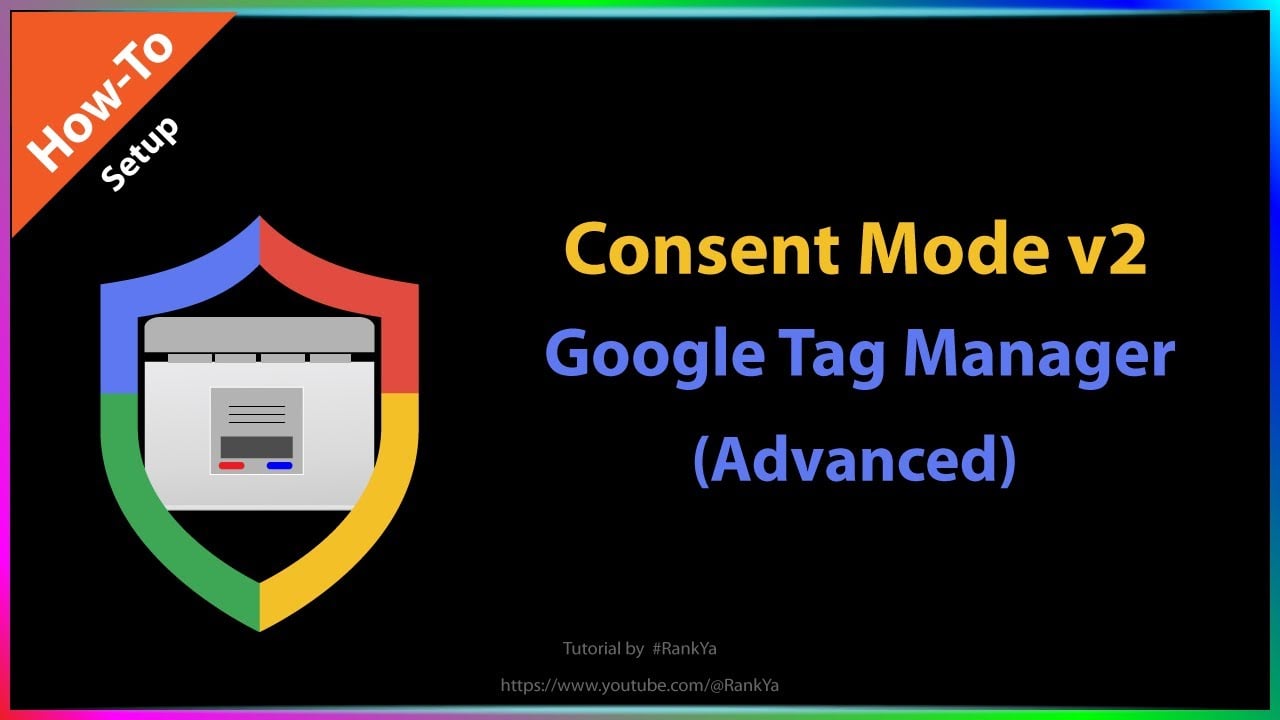
Learn how to set up Consent Mode v2 below:
2. Meet GA4’s minimum data thresholds
For Google to model missing data, your site needs enough activity to train those models; roughly 700 ad clicks in seven days per region. Switch your ad spend to the campaigns that will help you reach those levels. Otherwise, you will not meet the minimum modeling threshold for it to kick in, and your reports will stay incomplete.
3. Feed real-world signals back into your digital tools
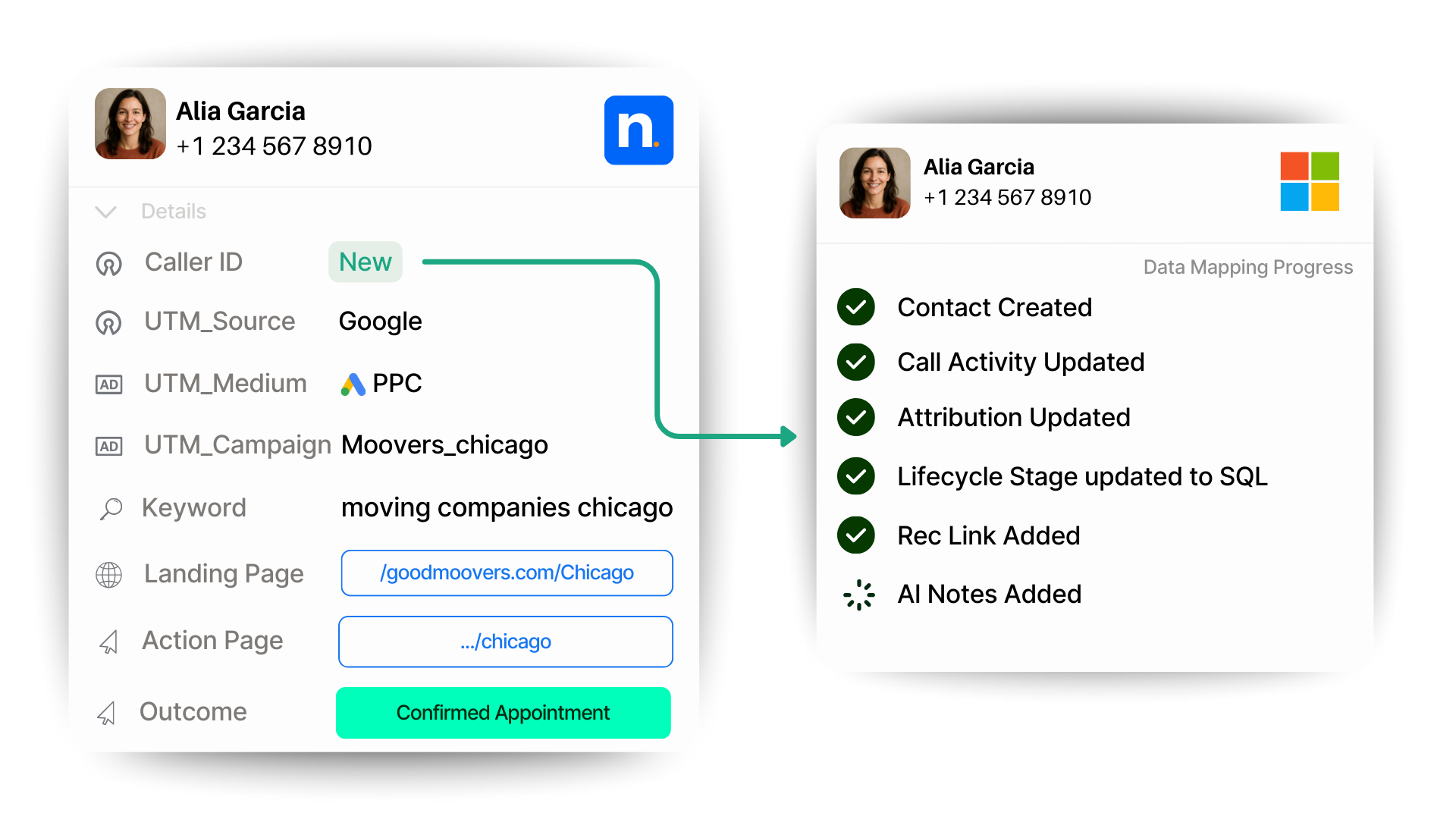
Online modeling is only as good as the offline truth you feed it.
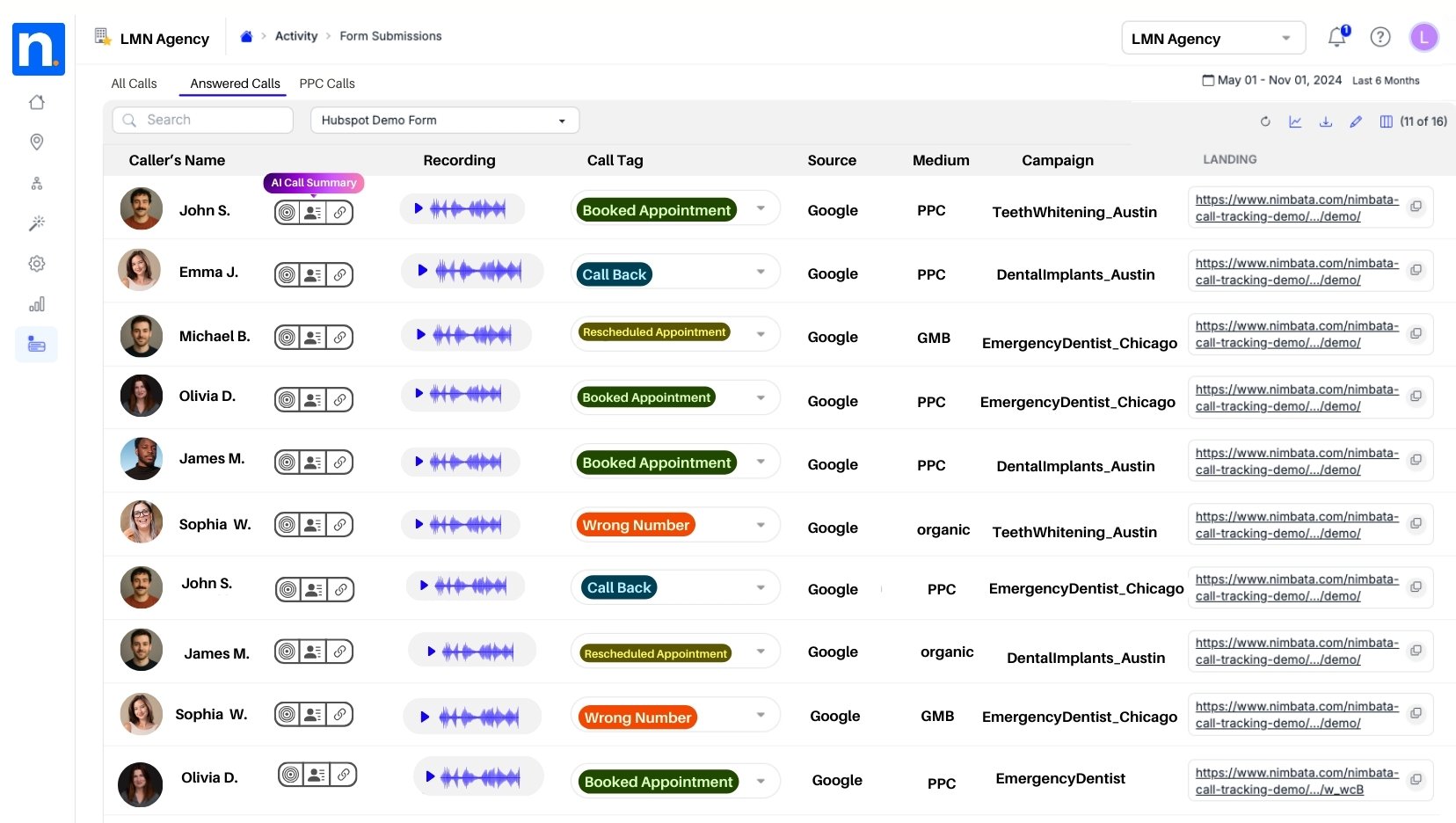
Call tracking platforms like Nimbata supply verified call conversions directly into GA4 and Google Ads via server-side integrations. With the help of AI Conversational Analytics, these deterministic signals ground Google’s modeled data in reality, letting the algorithm learn from valuable results that help train it way better than estimates would.
4. Segment intent sources clearly
Give separate identifiers, like phone numbers or tracking lines, to key channels such as Google Business Profile, Ads call extensions, and website calls. This keeps local and paid intent distinct, so you can move around your budget to the channels responsible for most sales-ready leads.
5. Verify and supply data with server-side events
Server-side tagging gives your company more control over your data than ever before and sends conversions to your analytics platform even when browsers block or delete cookies. Instead of bypassing consent, it preserves legitimate, approved data that the user may lose from their side.
Recover call attribution by measuring improvements, not perfection
Rather than trying to recreate the same style and type of tracking that you used to have access to, you need to focus on gathering enough information about your users to make good marketing decisions. We suggest you track the following metrics to gauge whether you’ve managed to adequately recover call attribution or if your setup needs more attention:
1. Unknown share of calls
You can track this metric on a weekly basis and set a benchmark to have it reduced by 25-50% in the first month.
2. GCLID coverage
Look at the percentage of ad-driven calls you receive that carry a click ID. The higher the coverage, the more accurate your data will be on the whole.
Learn more about how to master GCLID Tracking in Google Ads
3. Qualified call rate
Take a look at and compare the quality of your known and unknown sources of calls. If you find that unknown calls convert worse, reduce your ad spend on traffic that feeds into this category.
Is it still possible to fully recover call attribution?
Rather than wishing for the same visibility you once had, it’s best to shift to mindset to working with partial data and embracing the privacy-first measurement approach that Google has put in place.
While you can’t restore every data point you used to have access to prior to Consent Mode v2, it’s still possible to use our guide to holistically strengthen your approach to data collection, so you still get access to the most crucial data points while respecting users’ privacy and complying with local and international data privacy laws.
Thankfully, you need not rely on heavy IT support to recover call attribution to the extent that’s now allowed and possible; instead, you can use Advanced Consent Mode, check that you meet minimum data thresholds, add server-side events through your call tracking tool, separate GBP/extension numbers, and label what’s left. Track known vs unknown sources weekly and redistribute spend to the channels that consistently deliver known, qualified calls.
Need the right tool to help you start recovering call attribution?
Flexible Product, Expert Support, Transparent Pricing.